Betting and Gaming Council Issues Open Letter Urging Tech Platforms to Block Illegal Gambling Operators
 The Betting and Gaming Council has released an open letter from its CEO Grainne Hurst that directly addresses major technology platforms and calls for stronger action against unlicensed gambling operators operating in the UK market. This letter targets social media companies, search engines, messaging services, and advertising networks while emphasizing the need to protect consumers who have self-excluded or show signs of vulnerability from accessing illegal sites. The document outlines how these black market operators bypass UK taxes, player protection requirements, and industry levies that licensed operators must follow. Hurst points to the expanding reach of such sites and notes that their growth accelerates ahead of high-profile events such as the World Cup. The letter stresses that platforms already possess tools capable of improving detection rates yet often fall short in consistent application.
Details of the Open Letter and Key Requests
Hurst's letter identifies several practical steps for technology firms to adopt. These include deploying advanced AI-driven detection systems, establishing clearer information-sharing protocols with regulators, and removing advertisements for unlicensed operators more proactively. The requests come at a time when illegal gambling continues to draw UK users through targeted promotions that licensed operators cannot match because of strict advertising rules.
Observers note that the letter references ongoing collaboration through the DCMS Illegal Gambling Taskforce. This involvement allows the BGC to coordinate with government bodies on enforcement strategies while pushing platforms to take greater responsibility for content hosted on their services. The approach combines industry advocacy with direct appeals to the companies that control online visibility and monetization.
Scale of the Issue and Market Context
Estimates referenced in the letter highlight rapid expansion of unlicensed gambling activity. Related research from H2GC shows the UK offshore gambling market reached stakes of £16.6bn in 2025, a figure that underscores the financial scale involved. Licensed operators contribute through taxes and levies that support responsible gambling initiatives, yet illegal sites operate outside these frameworks and avoid contributing to player protection programs.
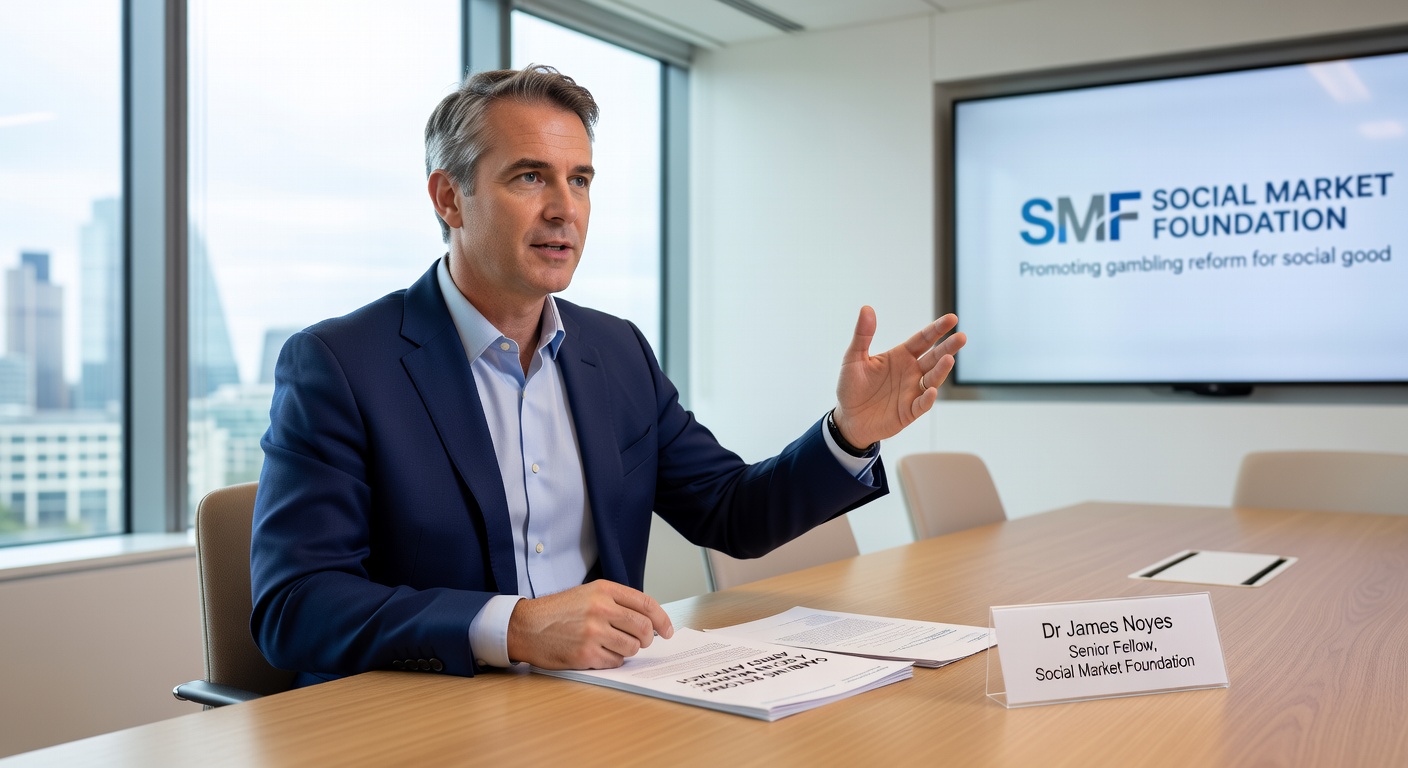
Those who monitor the sector point out that self-excluded individuals remain particularly exposed because illegal operators do not participate in the national self-exclusion database. This gap leaves vulnerable users without the safeguards built into the regulated market. The letter calls for platforms to prioritize detection of accounts and promotions that circumvent these protections through technical means already available to them.
Role of the DCMS Illegal Gambling Taskforce
The BGC maintains active participation in the DCMS Illegal Gambling Taskforce, which brings together regulators, law enforcement, and industry representatives. Through this forum the council shares intelligence on emerging illegal operators and supports coordinated responses. Hurst's letter positions the technology sector as a critical partner that can reduce the visibility and accessibility of these sites at the source.
Taskforce efforts have focused on identifying patterns used by illegal operators to evade detection, including domain changes and social media campaigns. The open letter builds on this work by asking platforms to apply consistent policies across their services rather than addressing issues only after specific complaints arise.
Implications for UK Consumers and Industry
UK consumers face ongoing exposure to operators that lack the age verification, deposit limits, and dispute resolution mechanisms required of licensed sites. The letter highlights how these gaps create uneven playing fields while exposing users to potential fraud and lack of recourse. Technology platforms serve as primary gateways for discovering gambling content, which places them in a position to influence which operators reach UK audiences.
Industry data continues to track the volume of illegal activity, with the BGC using these figures to support its requests for improved platform cooperation. The letter arrives as major events approach that historically drive increased gambling interest, creating windows where illegal operators intensify marketing efforts.
Conclusion
The open letter from Grainne Hurst represents a formal industry request for technology platforms to strengthen their role in limiting access to illegal gambling operators. It ties together consumer protection concerns, regulatory collaboration through the DCMS Illegal Gambling Taskforce, and specific technical recommendations around detection and advertising removal. The document connects these elements to the broader challenge of maintaining a regulated market that funds player safeguards while competing against operators that operate beyond UK oversight.