Cross-Platform Reward Systems Bridging Bingo Sessions and Poker Tournament Ladders
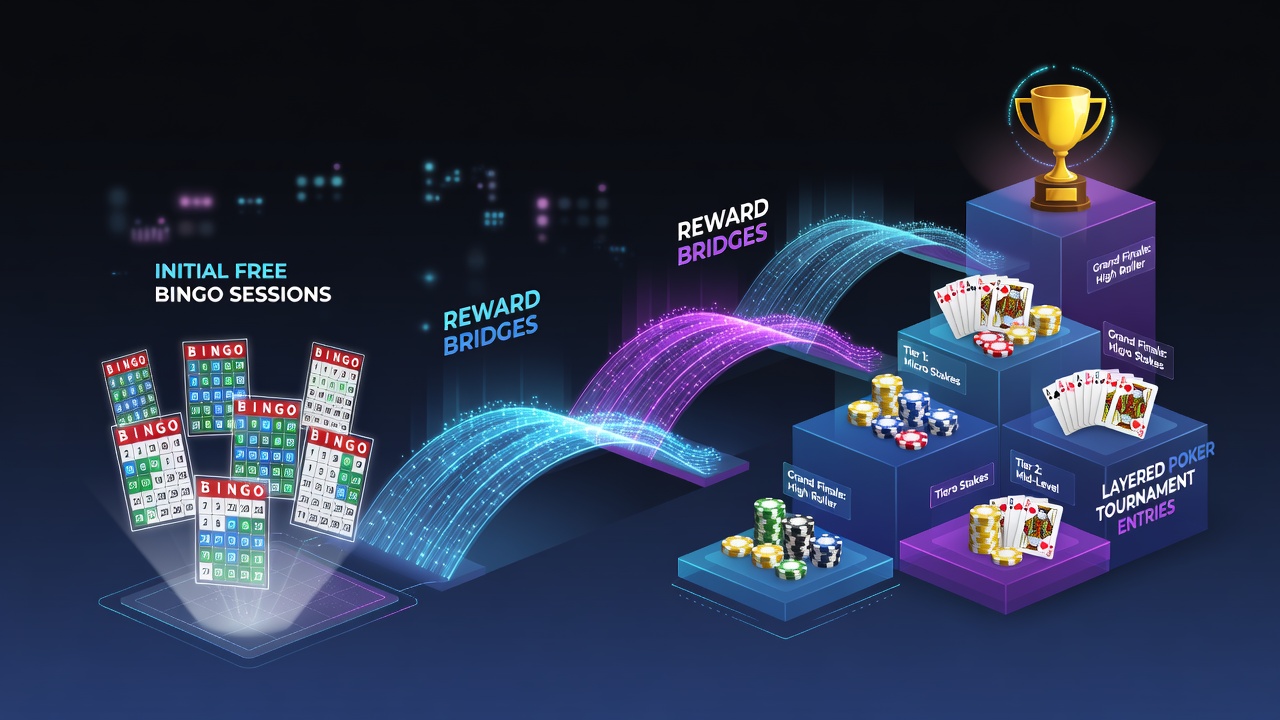
Digital gaming platforms have developed structured reward mechanisms that convert participation in free bingo sessions into progressive entries for poker tournaments, creating connected pathways across multiple game types and operator sites. These systems track player activity through unified accounts, where initial no-cost bingo rounds generate loyalty points or direct qualifiers that feed into layered tournament structures. Data from industry reports shows operators in several regions have expanded these linkages since early 2025, allowing users to move from simple bingo interfaces to multi-table poker events without separate deposits.
Mechanics of Reward Conversion
Platforms assign numerical values to bingo outcomes, such as completed patterns or session durations, then map those values onto poker entry tiers. A single free bingo game might yield five loyalty tokens, while ten tokens unlock a satellite seat in a low-stakes poker freeroll. Higher accumulation levels open access to mid-tier events carrying larger prize pools, with each stage requiring additional activity thresholds that reset on a weekly or monthly cycle. Observers note that this tiered approach keeps players engaged across different verticals rather than isolating them within one game category.
Operators implement these bridges through backend APIs that sync progress between bingo lobbies and poker client software. Players receive notifications when accumulated rewards reach the next unlock point, and automated systems transfer qualifying entries without manual intervention. Research conducted by academic groups at Canadian universities has examined similar conversion rates, finding that users who start with bingo sessions show higher retention when pathways lead directly into poker formats.
Platform Integration Patterns
Multiple operators run these systems simultaneously, allowing cross-site transfers when users hold accounts verified under shared regulatory frameworks. One common structure starts with daily free bingo rounds on mobile apps, accumulates credits during evening sessions, and applies those credits toward poker satellite qualifiers scheduled for the following weekend. July 2026 saw several North American and European platforms update their interfaces to display combined progress bars that track both bingo and poker milestones in a single dashboard view.
Industry organizations such as the American Gaming Association have published overviews of loyalty mechanics that include these hybrid models. The reports detail how operators segment player cohorts based on entry points, with bingo-originating users often routed into slower-paced poker formats first before advancing to higher-stakes events.
Layered Tournament Structures
Poker tournaments linked through these bridges typically follow a satellite model where early qualifiers feed winners into secondary rounds. A player who earns an entry via bingo activity might begin in a 100-player micro-event, with top finishers advancing to a 500-player mid-tier tournament. Final layers grant seats in flagship events that carry guaranteed prize pools exceeding regional averages. Figures released by research institutions indicate that such progression ladders increase average session lengths by connecting short bingo bursts to longer poker commitments.

Additional features include bonus multipliers earned during bingo play that apply directly to poker buy-ins or stack sizes. These multipliers reset after each tournament cycle yet carry forward within the same reward period, encouraging consistent participation. Platforms in Australia and parts of the EU have tested regional variations where bingo-derived points also unlock side games that further boost poker qualification odds.
Data Trends and User Pathways
Analytics from platform operators reveal that bingo-to-poker bridges attract users who might not otherwise enter paid tournaments. Conversion rates vary by region, yet consistent patterns show that players completing at least three free bingo sessions per week demonstrate elevated rates of poker entry uptake. External studies from Australian research centers have documented similar cross-game migration when reward systems present clear visual pathways between activity types.
Operators refresh reward catalogs monthly, introducing new bingo variants that feed into poker events with themed prize structures. This rotation prevents stagnation while maintaining the core linkage between initial free sessions and deeper tournament access. Data indicates that July 2026 updates across several major sites introduced mobile-optimized tracking that displays remaining requirements for the next poker layer in real time.
Conclusion
Reward bridges on digital platforms continue to evolve by refining how free bingo activity translates into poker tournament access through incremental, trackable steps. These systems rely on unified account management and tiered qualification ladders that operate across multiple game formats and operator networks. Available figures from industry and academic sources document steady expansion of such linkages, with updates in mid-2026 focusing on interface improvements that make progression stages more transparent to users.