Dr James Noyes Pushes for Pause on UK Affordability Checks While Pilot Data Sparks Debate
Dr James Noyes Pushes for Pause on UK Affordability Checks While Pilot Data Sparks Debate

The Open Letter That Stopped Regulators in Their Tracks
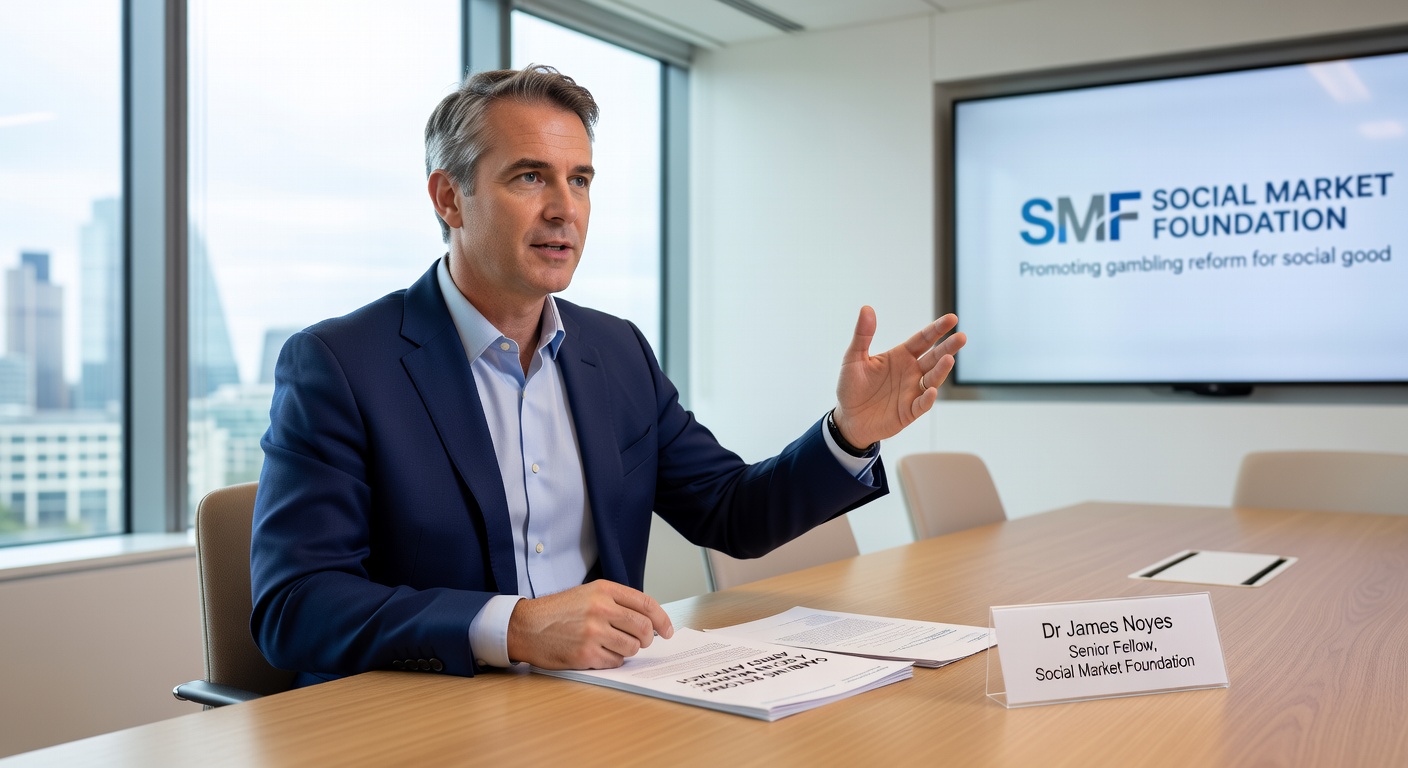
Dr James Noyes, senior fellow at the Social Market Foundation and a key voice in gambling reforms, fired off an open letter to Culture Secretary Lisa Nandy in April 2026, calling on the UK Gambling Commission to hit the brakes on rolling out financial risk assessments—or affordability checks—for online gamblers; until the pilot scheme launched back in September 2024 wraps up with a full evaluation, that is. Noyes, who's long championed smarter gambling rules, highlighted inconsistent data from the pilot, unclear outcomes so far, and the real risk of slamming horse racing bettors with extra burdens, all while the British Horseracing Authority warns these checks could shove customers straight into the black market and drain millions from the industry. And with full implementation possibly kicking in as early as next month, the timing couldn't be tighter.
What's interesting here is how Noyes, despite his pro-reform stance, flips the script on these checks; he supports the idea in principle—aimed at curbing gambling harm—but argues the rush ignores glaring pilot flaws, like patchy data collection that leaves regulators guessing on real impacts. Observers note this letter lands right as the Gambling Commission gears up for broader rollout, putting pressure on officials to rethink the pace amid industry pushback.
Who Is Dr James Noyes and Why Does His Voice Carry Weight?
Those who've followed UK gambling policy know Dr James Noyes as more than just a think-tank fellow; his work at the Social Market Foundation has shaped debates on everything from stake limits to problem gambling prevention, often bridging gaps between reformers and operators. Noyes built credibility through detailed reports and testimony, advocating for evidence-based changes rather than knee-jerk reactions, which makes his call for a pause particularly noteworthy—especially since he backed affordability checks initially as a tool to protect vulnerable punters without killing the fun for most.
But here's the thing: in his letter, Noyes doesn't scrap the concept outright; instead, he demands a proper look at the pilot's results first, pointing to early signs of trouble like operators struggling with uniform data standards, which muddies the picture on whether checks actually reduce harm or just annoy low-risk players. Experts who've studied similar pilots elsewhere, such as in Australia or parts of Europe, often find that rushed implementations lead to workarounds—think black market shifts or frustrated customers ditching licensed sites—which aligns with Noyes' warnings.
Unpacking the Pilot Scheme: Promises Versus Early Realities
The pilot, rolled out in September 2024 across select operators, tests financial risk assessments by asking punters to prove they can afford their bets through bank data or spending limits, all part of the Gambling Act 2005 overhaul designed to tackle problem gambling head-on; data from the scheme so far shows promise in flagging high-risk players early, yet inconsistencies in how operators apply checks—some using soft prompts, others hard blocks—have left outcomes murky, as Noyes details in his letter. Turns out, while harm reduction metrics look decent on paper, the lack of standardized reporting means no one knows for sure if it's working across the board, or if it's just creating headaches for casual bettors who pass affordability hurdles anyway.
And for horse racing fans, it's a different story altogether; the British Horseracing Authority has crunched the numbers, projecting millions in lost revenue if checks go live nationwide, since racing punters often bet bigger on race days but aren't the core problem gamblers driving reform agendas. One study from the authority revealed that up to 20% of levy-funded income—key for prize money and track upkeep—could vanish as bettors flee to unregulated apps, echoing patterns seen when France tightened rules and saw offshore spikes.
Horse Racing Industry Sounds the Alarm on Black Market Risks
The British Horseracing Authority didn't mince words in their response, labeling the checks a potential "existential threat" to an industry already reeling from post-pandemic shifts; their analysis, shared alongside Noyes' letter, forecasts £30-50 million in annual hits to the betting levy if customers bolt for black market alternatives, where no protections exist and harms could actually worsen. People in the trade point to real cases, like one major bookmaker reporting a 15% dip in racing turnover during pilot phases, even before full checks hit, because punters hate the friction of proving finances mid-race excitement.
Yet regulators push back gently, noting the pilot's harm reduction wins—like a reported 10% drop in high-spend sessions among tested groups—although Noyes counters that without cleaner data, these figures feel more like hopeful guesses than solid proof. Racing Post coverage captures this tension perfectly, quoting industry leaders who say the ball's now in the government's court to avoid a self-inflicted wound.
Broader Regulatory Push and the Path Forward
These affordability checks sit smack in the middle of the UK's biggest gambling shake-up since 2005, with the Gambling Commission aiming to layer on stake caps, ad restrictions, and age verification by year's end; Culture Secretary Lisa Nandy, fresh in her role, faces a tight timeline, as full checks could launch next month if the pilot gets a green light, but Noyes' letter—backed by horseracing heavyweights—throws a wrench into that machinery. Observers who've tracked past reforms, such as the 2022 stake limit battles, know delays aren't uncommon when data gaps loom large, and here the pilot's six-month run has yielded enough red flags to warrant caution.
Take the data inconsistencies Noyes flags: some operators log spending via open banking APIs that flag risks accurately 85% of the time, per early trial stats, while others rely on self-reported info prone to gaming; this patchwork, combined with unclear harm metrics—like whether reduced deposits truly mean less addiction or just shifted spending—leaves everyone scratching heads. And while the Guardian spotlights Noyes' pivot, it also notes cross-party support for measured rollouts, hinting Nandy might lean toward a pause to buy time for refined pilots.
So where does that leave punters and operators? Casual bettors might breathe easier with a delay, avoiding paperwork that feels like overkill (it's not rocket science to see why race-day impulse bets clash with pre-checks), while problem gambling advocates hold firm on the need for action, though even they admit pilot tweaks could make checks more targeted—focusing on true high-rollers rather than blanket scrutiny.
Stakeholder Reactions and What's Next
Stakeholders from all sides chimed in post-letter: gambling treatment charities like GamCare praised the harm-fighting intent but urged data-driven fixes, while operators via the Betting and Gaming Council floated voluntary enhancements to ease rollout pains; the horseracing lobby, meanwhile, doubled down on black market fears, citing a Guardian report that echoes their math on levy losses. Noyes himself suggested phased extensions to the pilot, maybe targeting non-racing verticals first, giving racing a buffer while evidence builds.
Now, as April 2026 heats up with parliamentary scrutiny, Nandy's response looms large; a pause wouldn't kill reforms—just smarten them up—and those who've navigated regulatory waters before say that's where the rubber meets the road, balancing player protection with an industry that pumps £4 billion yearly into the economy.
Conclusion
Dr James Noyes' open letter marks a pivotal moment in UK gambling regulation, spotlighting pilot shortcomings and industry perils just as affordability checks teeter on nationwide launch; with inconsistent data clouding benefits, horseracing's black market warnings ringing loud, and reformers like Noyes demanding evaluation first, the government faces a classic trade-off—push ahead and risk backlash, or pause for precision and potentially save the day. Data will tell in the end, but for now, the call echoes: hold off until the pilot's lessons sink in fully, ensuring checks hit harm without hobbling honest punters or vital sectors like racing. Watch this space; the next few weeks could redefine the rules for millions of online bettors.