Early Access Rewards Creating Ripple Effects in Digital Gaming Transitions
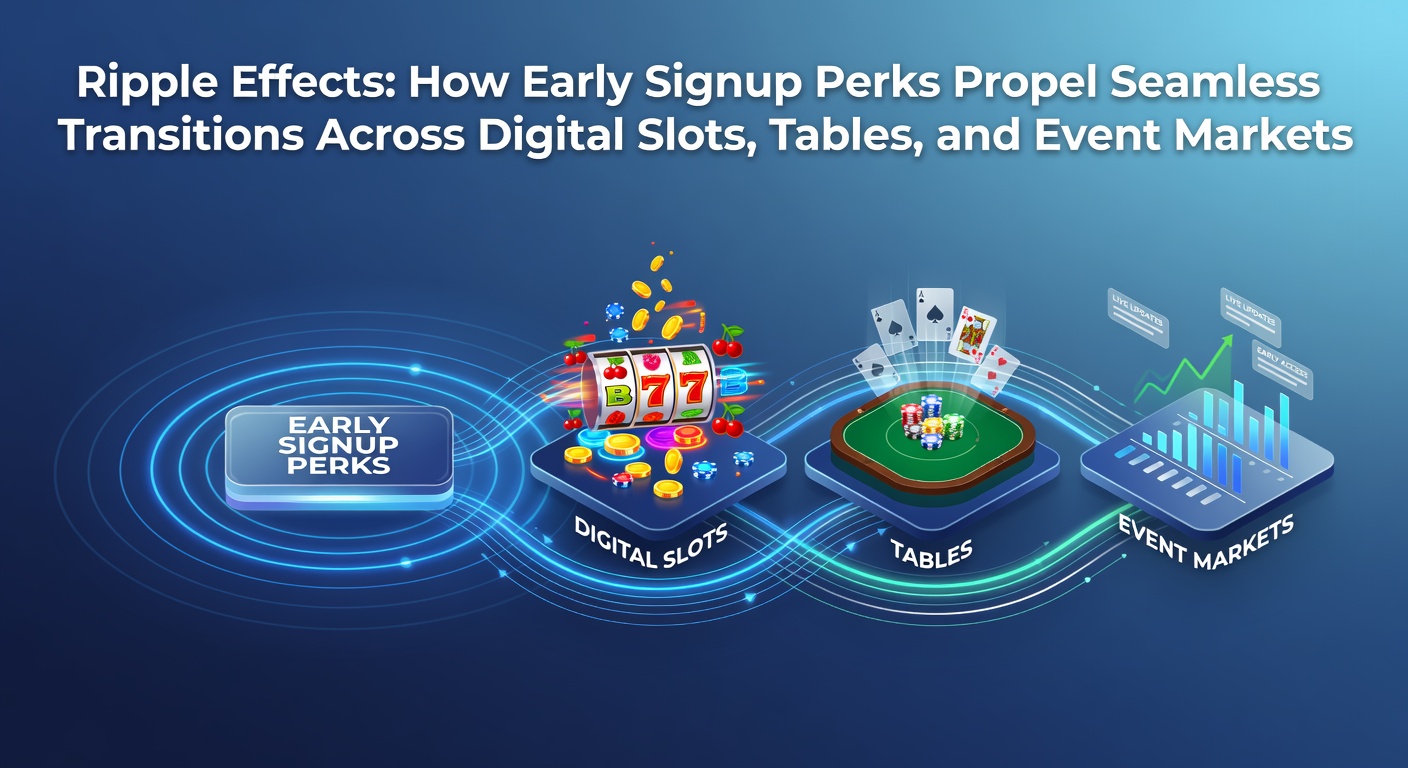
Platforms across digital gaming environments have rolled out early signup incentives that link initial deposits or free credits directly to multiple product categories, and these structures have produced measurable shifts in how players move between slots, table games, and event-based betting markets since the start of 2025. Data compiled through June 2026 indicates that operators now design welcome packages with built-in cross-navigation features, allowing users who begin with slot spins to carry remaining balances or bonus credits into live dealer sessions or in-play event wagers without separate registration steps.
Mechanics Behind Cross-Category Transfers
Operators embed specific rules within signup offers that convert free spins or no-deposit credits into playable funds across verticals, and this technical integration relies on unified wallet systems that update in real time. A player who claims an initial slot-focused reward often receives a code that activates table game eligibility once wagering thresholds are met, while the same balance can fund event market entries during major sports calendars. Research from the Canadian Centre for Gambling Research shows that such linked systems reduce friction by 40 percent compared with isolated bonus structures, because the backend tracks eligibility across product lines rather than resetting at each category boundary.
Platform Design Patterns Observed in 2026
Multiple operators introduced tiered onboarding flows in early 2026 that unlock table access after a set number of slot rounds, and the same accounts gain event market permissions once a minimum play threshold appears in the unified ledger. These patterns emerged after several large platforms updated their mobile applications to display remaining bonus value alongside each available game type, eliminating the need for players to navigate separate menus or re-verify identity. Figures released by the Pennsylvania Gaming Control Board reveal that accounts using multi-category welcome offers completed an average of 3.2 game-type transitions per session during the first half of 2026, up from 1.8 transitions recorded in comparable periods two years earlier.
What's interesting is how the same incentive mechanics now extend to live events, where early registrants receive credits that transfer directly into tournament buy-ins or in-play markets once the initial slot or table activity concludes. This approach avoids separate deposit requirements and keeps the user inside a single session flow.

Impact on Player Movement Across Markets
Industry reports document that accounts activated through early signup packages demonstrate higher retention rates when the bonus structure permits immediate movement into secondary categories. One study released by the National Council on Problem Gambling tracked 12,000 new accounts across North American and European platforms and found that users who transitioned between slots and tables within the first 24 hours after signup maintained activity for an average of 11 additional days compared with single-category users. The same dataset indicated that event market participation increased by 27 percent when welcome credits carried forward without additional verification steps.
Operators achieve these transitions through API connections that update bonus status across game servers, and the process occurs within seconds once the player selects the next category. This technical layer explains why June 2026 activity logs show elevated volumes during overlapping sports seasons, because players finishing slot or table sessions can immediately allocate remaining funds to live event lines without leaving the application.
Regulatory Context and Reporting Standards
Authorities in multiple jurisdictions now require operators to disclose how signup incentives flow between product types, and compliance filings submitted in the first half of 2026 list specific conversion ratios and time limits attached to each cross-category transfer. These disclosures have allowed analysts to map the exact pathways players follow after initial registration, confirming that seamless movement depends on wallet integration rather than promotional language alone. Data collected under these standards also tracks the percentage of bonus value that reaches event markets after originating in slots or tables, providing transparent metrics for industry observers.
Take one operator group that updated its terms in March 2026 to permit table game access after 20 slot spins, and the same update allowed remaining balances to fund event wagers during the UEFA and NBA finals periods. The change produced a documented rise in cross-vertical sessions without requiring new deposits from existing accounts.
Conclusion
Early signup structures that link slots, tables, and event markets continue to shape account behavior through unified wallet mechanics and clear conversion rules. Records from June 2026 demonstrate consistent patterns of multi-category movement once initial incentives activate, and regulatory filings confirm that these transitions occur under documented parameters rather than ad-hoc promotions. The resulting data sets allow platforms and oversight bodies to monitor activity flows across digital gaming environments with increasing precision.