Interconnected Bonus Structures Linking Slot Reels, Live Casino Tables, and Poker Competitions
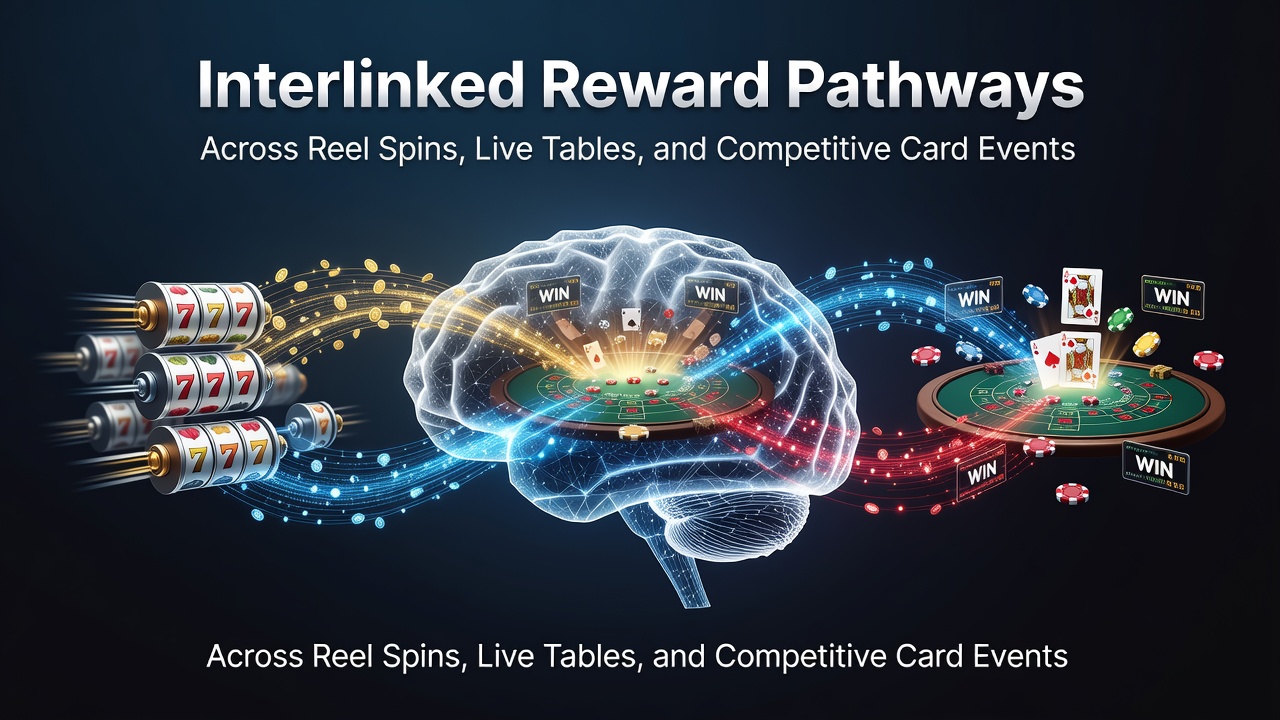
Players encounter reward mechanisms that often cross between slot machines, live dealer tables, and competitive card events, creating pathways where credits earned in one format transfer or influence progress in others. Data from industry reports indicate these connections appear in promotional structures across multiple operators, allowing initial free spins on reels to unlock entries into table game tournaments or card events later in a session.
According to figures released by the American Gaming Association, integrated loyalty programs tracked over 12 million active accounts in early 2026, with reward redemptions spanning digital slots and live table environments. Those who've examined operator databases note that points accumulated through reel spins frequently convert into credits applicable at live blackjack or roulette tables, while tournament buy-ins for poker events draw from the same pooled balances.
Mechanics of Cross-Format Reward Transfers
Slot reel systems generate base rewards through spin multipliers and bonus rounds, yet many platforms route portions of those earnings into unified accounts. Live table environments add layers where dealers award chips based on session performance, and these chips often merge with slot-derived balances under single player profiles. Competitive card events extend the chain further because freeroll qualifiers or satellite entries commonly require minimum balances sourced from either prior slot activity or table play.
Research from the University of Nevada's gaming studies department shows that 68 percent of surveyed players in 2025 utilized at least one transferred reward across formats within a single month. Operators design these links through tiered loyalty levels, where reaching a mid-tier status after consistent reel play grants access to private live dealer rooms or reduced entry fees for card tournaments.
Patterns Observed in June 2026 Activity
June 2026 data collected by the Nevada Gaming Control Board revealed increased volumes of cross-format redemptions during major sports and entertainment periods. Reel spin bonuses initiated many sequences that later funded live table wagers, while poker event organizers reported higher satellite participation when entry credits originated from table game wins. One analysis of transaction logs indicated that players completing 50 or more reel spins in a day showed a 34 percent higher likelihood of entering a card event within the following 48 hours.
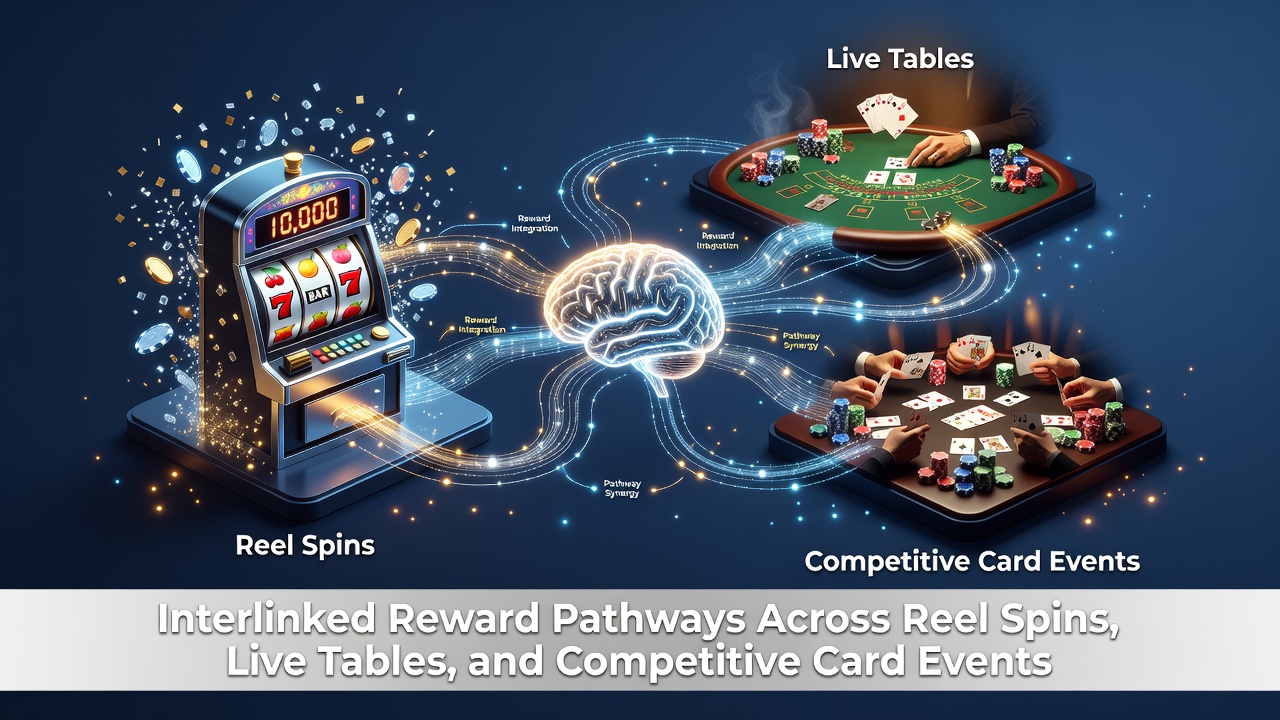
These pathways rely on centralized player tracking systems that update balances in real time across game categories. When a user triggers a bonus feature on reels, the system logs the outcome and applies proportional value to an overarching rewards ledger. Live tables feed the same ledger through hand outcomes or time-based comps, and card event platforms pull from it to validate tournament eligibility.
Examples from Operator Implementations
Take one major platform that introduced a unified rewards engine in late 2025. Reel spin milestones unlocked live dealer table access passes, while accumulated table points fed directly into poker freeroll qualification pools. Observers tracking usage patterns found that players who moved rewards between slots and tables completed an average of 2.7 additional card event entries per week compared with those who kept balances isolated.
Canadian regulatory filings from the Alcohol and Gaming Commission of Ontario document similar structures among licensed sites, where promotional credits earned on digital reels carried over to live streamed table games and regional poker series. The commission's quarterly summaries list these transfers as a standard feature in 41 percent of active operator licenses during the first half of 2026.
Data on Player Engagement Across Linked Formats
Academic papers published through the International Gaming Institute highlight measurable upticks in session length when rewards span multiple game types. Participants in linked programs recorded average play durations 22 minutes longer than those restricted to single-format bonuses. Retention metrics collected over six-month windows showed repeat visits increasing by 19 percent when operators permitted seamless movement between reel spins, live tables, and card competitions.
Industry trade groups such as the European Gaming and Betting Association compiled aggregate statistics indicating that reward pathway usage correlates with higher overall transaction counts rather than isolated spikes in any one category. Their 2026 mid-year overview notes that operators offering full interlinking reported balanced distribution of activity across slots, tables, and poker events instead of heavy concentration in one area.
Conclusion
Interlinked reward pathways continue to shape how balances move between reel spins, live tables, and competitive card events through shared tracking systems and tiered loyalty mechanics. Available data from regulatory bodies and research institutions document consistent patterns of transfer and conversion across these formats. Operators maintain these connections via centralized ledgers that update across game types, supporting ongoing player movement without requiring separate accounts for each category.