Mapping Player Journeys Through Tiered Rewards in Online Gaming Platforms
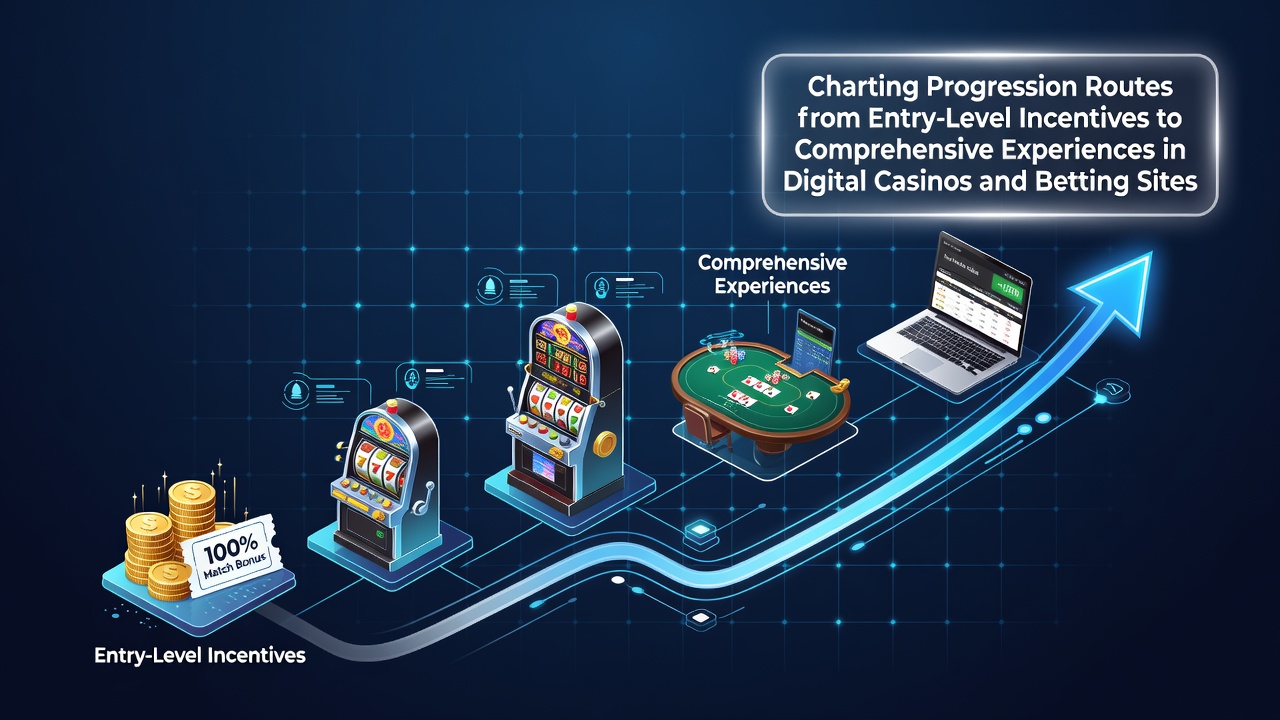
Digital casinos and betting sites structure their offerings to guide participants along defined paths that begin with basic entry incentives and expand into layered participation models. These routes typically start with welcome packages that include initial credits or spins, then transition into loyalty frameworks that accumulate points across multiple game types. Data from industry tracking shows steady uptake patterns where new accounts engage first with simplified reward mechanics before accessing broader catalogs of slots, table games, and sports markets.
Initial Entry Mechanisms and Their Role
Entry-level incentives function as standardized onboarding tools across many platforms. Operators deploy matched deposit structures or free credit allocations that require minimal commitment thresholds, often limited to specific game selections during the first sessions. According to reports from the American Gaming Association, these mechanisms account for measurable portions of new account activations in regulated markets, with conversion rates varying by region and promotional design. Players encounter clear eligibility rules that specify wagering multiples and time frames, creating predictable steps from signup to active play.
Progression depends on meeting those initial conditions, after which systems unlock secondary features such as cashback on losses or reload offers. This layering occurs automatically through account dashboards that display progress bars and remaining requirements. Observers note that platforms integrate these elements into mobile applications to maintain continuity across devices, allowing sessions to resume without resetting accumulated value.
Building Through Loyalty and Tier Systems
Once participants complete early stages, loyalty programs activate point collection systems tied to bet volumes across categories. Points convert into tier status that grants incremental benefits, including higher withdrawal limits, exclusive game access, and personalized support channels. Research from Canadian regulatory bodies indicates consistent retention improvements when these programs scale rewards proportionally to activity levels rather than flat structures.
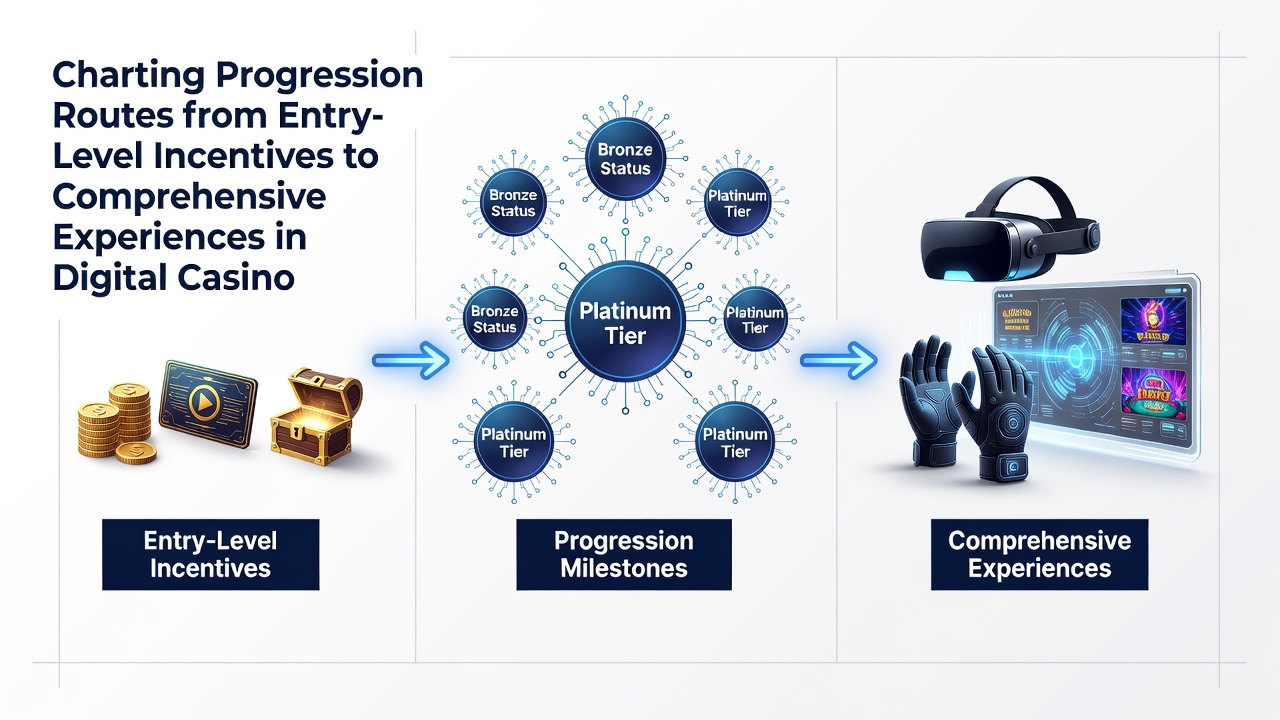
Tiers often divide into bronze, silver, gold, and platinum designations, each with distinct thresholds recalculated on monthly or quarterly cycles. Those reaching upper levels receive invitations to invitation-only events or accelerated bonus releases. The structure encourages sustained engagement by resetting some benefits at lower tiers while preserving core access for returning users.
Expansion Into Comprehensive Platform Features
Advanced stages integrate multiple verticals such as live dealer environments, tournament entries, and cross-category betting options. Participants who advance through loyalty milestones gain eligibility for multi-game bundles that combine slot progressions with sports event wagers under unified account balances. Figures from the Australian Communications and Media Authority reveal increased session durations among accounts that activate these combined offerings compared with single-category users.
Live dealer interfaces and real-time betting markets become available once verification and activity thresholds align, often supported by dedicated account managers at higher tiers. Platforms synchronize these elements through unified wallets that transfer value seamlessly between casino floors and sportsbook sections. Data compiled in mid-2026, including updates released around July, shows continued expansion of such integrations across international operators responding to user demand patterns.
Regional Variations and Platform Adaptations
Different jurisdictions shape how progression routes develop. European frameworks emphasize responsible gaming checkpoints embedded at each tier transition, while North American operators focus on state-specific compliance layers that affect bonus release timing. Australian models incorporate additional responsible gambling tools that monitor tier advancement and prompt usage reviews at set intervals.
Operators adjust incentive structures based on local regulations, yet the core sequence from entry rewards to full feature access remains consistent. This adaptability allows platforms to maintain global user bases while complying with varying requirements on promotional transparency and account verification processes.
Conclusion
Progression routes in digital casinos and betting sites follow structured sequences that link initial incentives to expanded participation options. These pathways rely on automated tracking systems, tiered loyalty mechanics, and integrated game libraries that respond to account activity. Available data from multiple regulatory and industry sources documents how such frameworks operate across regions, with updates through 2026 reflecting ongoing refinements in response to player behavior and compliance standards.