Seamless Credit Transfers Linking Digital Casino Tables to Virtual Racing Tracks

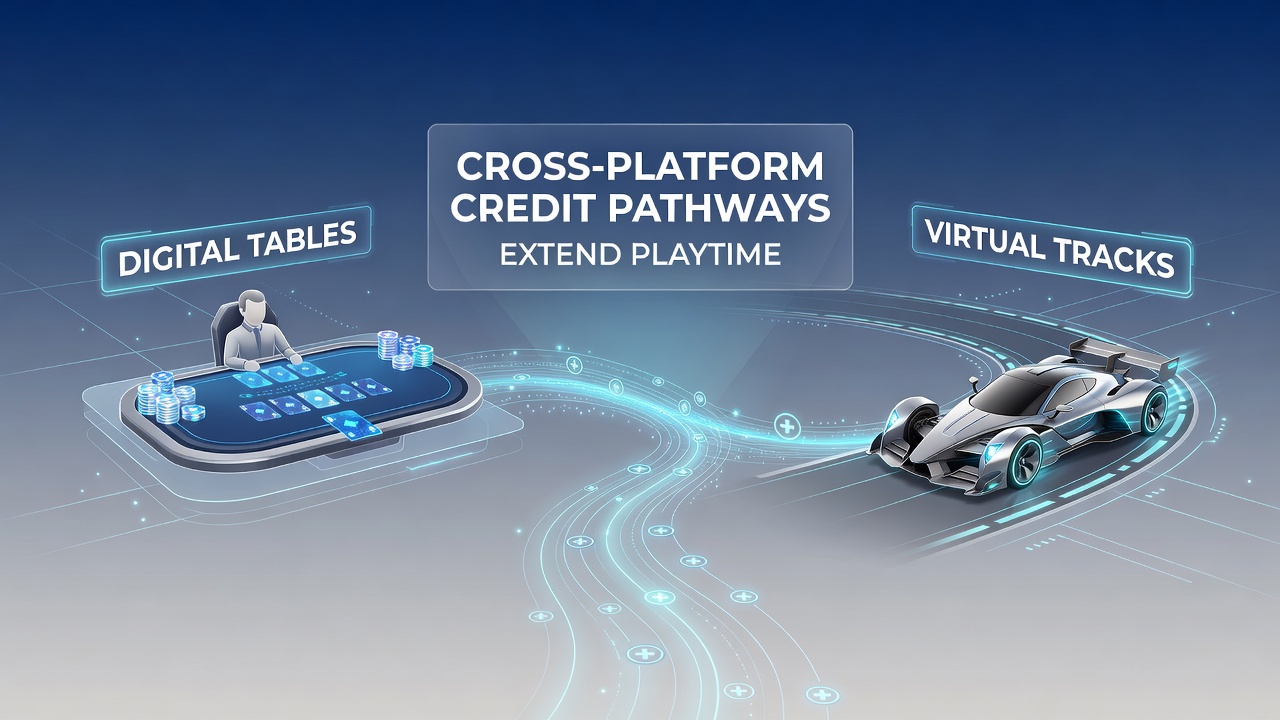
Operators in multiple jurisdictions have developed systems that move credits earned at digital tables directly into virtual track betting environments and the process relies on integrated account ledgers that update in real time across separate game categories. Data from industry tracking services show that these pathways allow players to maintain balances without separate deposits when they shift from table games to simulated racing events. Researchers at the University of Nevada, Reno documented similar integration patterns in a 2025 report that examined account activity across 12 major platforms operating in North America and Europe.
Mechanics of Credit Movement Between Platforms
Credits generated through table game play accumulate in a central wallet that participating sites recognize for both casino and virtual sports sections and the transfer occurs through application programming interfaces that verify eligibility before releasing funds for new wagers. Systems often apply a conversion factor when moving value from one product type to another yet the underlying balance remains accessible without additional verification steps in most cases. Observers note that July 2026 saw several operators expand these features to include live dealer tables feeding directly into virtual greyhound and horse racing markets on the same app.
One technical requirement involves real-time reconciliation engines that prevent double spending while players navigate between environments and these engines log each movement for regulatory audits. European Gaming and Betting Association publications from early 2026 highlighted how such engines reduced transaction friction for users who alternate between poker sessions and virtual track betting within single sessions.
Examples from Current Implementations
Platforms operating under multiple licenses have introduced tiered loyalty structures where table game activity contributes points that convert into track credits at set ratios and users receive notifications when sufficient points accumulate for a transfer. In one documented rollout a mid-sized operator allowed blackjack winnings to fund virtual steeplechase bets after a 30-second processing window and the feature saw adoption rates rise steadily through the first half of 2026. Separate case studies describe Australian-facing sites that link baccarat tables to simulated harness racing with the same wallet balance and the pathways include optional auto-transfer settings that users can toggle per session.
Regulatory Context Across Regions
Regulators in several markets require clear disclosure of conversion rates and any fees attached to cross-product transfers and these rules aim to maintain transparency when credits flow between table categories and virtual track products. Canadian provincial frameworks updated in late 2025 addressed the treatment of such transfers under existing gaming revenue reporting standards while similar guidance emerged from state-level bodies in the United States. Data compiled by academic teams at McGill University indicated that jurisdictions with explicit rules for cross-platform credits recorded higher compliance rates among operators during the 2025 calendar year.
Technical standards also address responsible play controls that travel with the credit balance so time and spend limits set in one section remain active after transfer and operators must demonstrate that these controls function consistently across product types. Reports from the National Council on Problem Gambling in the United States referenced these requirements when discussing integrated wallet systems in 2026.
Player Activity Patterns Observed in 2026
Analytics providers tracking multi-product engagement reported that accounts using cross-platform pathways recorded longer average session durations compared with single-product accounts and the difference appeared most pronounced among users who moved value from tables to virtual tracks within the same hour. July 2026 figures from several operators showed increased movement volumes during evening hours when table game traffic traditionally peaks and virtual racing events run on overlapping schedules. Those who studied the data noted that players frequently initiated transfers after reaching specific win thresholds at tables before allocating portions to track betting.
Implementation details vary by operator size yet the core ledger structure remains consistent across large and mid-tier sites and the pathways continue to evolve with updates to wallet architecture. Industry reports indicate that additional product categories such as virtual sports and instant win games may join the same transfer networks in the coming quarters.
Conclusion
Cross-platform credit pathways represent a technical and operational development that connects table game environments with virtual track betting through unified account systems. Available data from research institutions and industry associations document the mechanisms, regulatory responses, and observed activity patterns across different regions through mid-2026. Continued refinement of these systems depends on technical standards and compliance requirements that vary by jurisdiction yet the underlying credit movement functions remain focused on real-time balance updates between product types.