Smartphone Rewards Leading the Charge Toward Live Betting Encounters
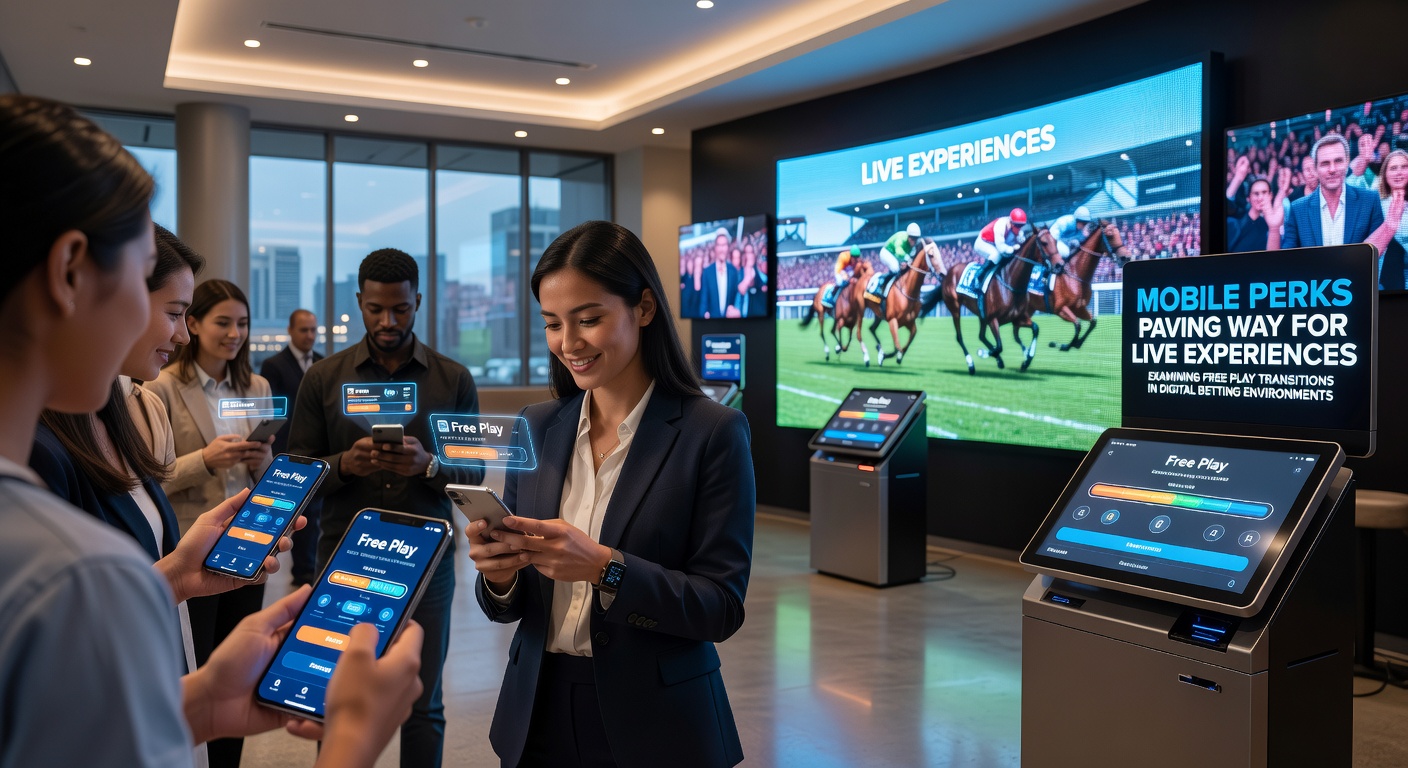
Smartphone applications now deliver layered free play incentives that guide participants from solitary digital sessions into interactive live dealer environments and eventually toward physical venues, and data collected across multiple jurisdictions shows this pattern accelerating since early 2025. Operators structure these mobile perks as entry points, often beginning with no-risk spins or wagers that unlock progressive rewards when users migrate to live-streamed tables or in-play sports markets. Researchers tracking user behavior note that seamless app navigation between virtual and live formats reduces friction and encourages longer engagement cycles, while the same mechanics later surface promotions for real-world tournaments and stadium events.
Mechanics Behind Mobile-to-Live Shifts
Free play credits earned on mobile slots frequently convert into live dealer credits once certain thresholds are met, and this automatic transition keeps players inside the same ecosystem rather than sending them elsewhere. Applications integrate geolocation features that detect when users approach partnered casinos or racetracks, then surface tailored offers such as complimentary entries or matched deposits for on-site betting windows. Industry reports indicate that these location-triggered prompts have increased foot traffic at select North American properties by measurable margins during peak seasons, particularly when combined with mobile loyalty tiers that carry over from online accounts.
Operators also embed social elements that let mobile users join live dealer tables with friends, and the shared experience often leads to discussions about attending upcoming events together. Data from platform analytics reveals that players who complete at least three mobile-to-live transitions within a month show higher retention rates for subsequent physical venue promotions. The design relies on clear progression paths where each completed free play segment unlocks the next stage, whether that involves a live roulette stream or an invite to a regional poker circuit.
Patterns Observed in 2026 Activity
Figures compiled through May 2026 highlight a noticeable uptick in cross-format participation, with mobile-originated live dealer sessions rising in parallel with ticket sales for major sports fixtures and casino-hosted festivals. Analysts attribute part of this growth to synchronized marketing that begins on smartphones and continues through push notifications timed around live broadcasts or venue openings. European operators have documented similar trends, where free play chains originating in mobile apps now feed directly into hybrid tournaments that mix online qualifiers with on-site finals.
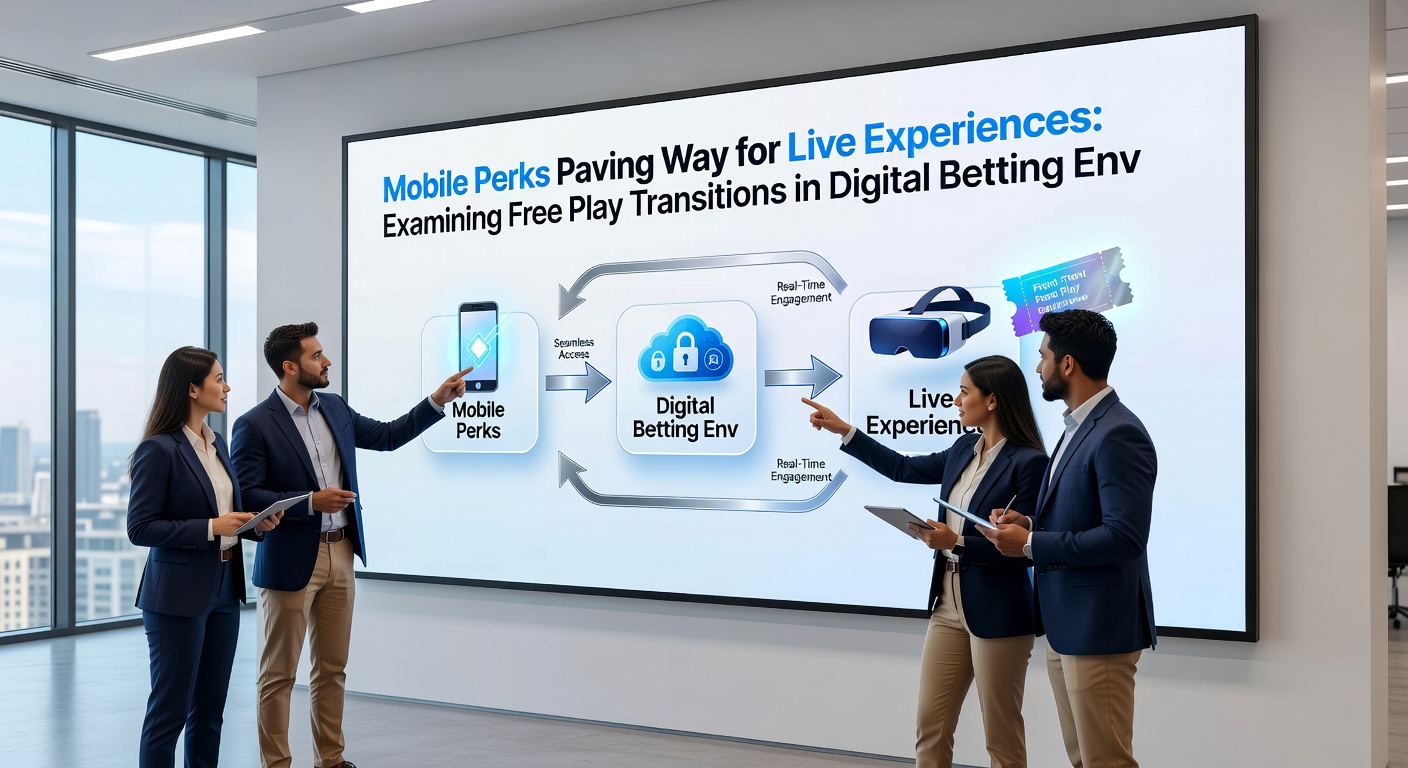
What's interesting is how these transitions appear across different regulatory landscapes. In jurisdictions that permit both online and land-based operations under unified licenses, the movement between formats occurs with minimal additional verification steps, and users report smoother handoffs when their mobile profiles already contain verified details. Australian state regulators have recorded comparable patterns in their most recent quarterly summaries, noting that mobile reward redemptions frequently precede visits to licensed gaming floors during major racing carnivals.
Role of External Data and Partnerships
Studies released by the American Gaming Association emphasize the growing importance of integrated loyalty programs that span mobile and physical properties, and these programs often originate with simple free play offers designed to familiarize new users with live formats. Partnerships between app developers and venue operators further streamline the process by allowing single sign-on access and shared reward wallets. Observers note that such collaborations reduce the learning curve for participants who might otherwise hesitate to visit a physical location without prior exposure through digital channels.
Additional research from Canadian provincial authorities shows that mobile users who receive progressive free play incentives are more likely to explore live dealer options first before committing to in-person travel. This stepwise approach appears to build confidence, and the same users later respond positively to promotions for destination events. The pattern holds across age groups, although younger cohorts demonstrate faster adoption rates when social sharing features accompany the rewards.
Technical and Regulatory Considerations
Platform providers continue refining geofencing and real-time notification systems so that mobile perks align precisely with live schedules, whether those involve evening dealer streams or weekend festival openings. Regulators in multiple regions require clear disclosure of how free play balances convert across formats, and compliance documentation must detail the steps users follow when moving from virtual to live environments. These requirements have prompted operators to simplify interfaces while maintaining audit trails that satisfy oversight bodies.
Security protocols also play a part, since verified mobile accounts reduce the documentation needed for on-site entry at partnered locations. This convenience factor contributes to higher conversion rates from digital free play into live participation, and operators track these metrics closely to adjust reward structures accordingly.
Conclusion
The documented rise in mobile-initiated transitions toward live experiences reflects broader industry efforts to create continuous engagement paths that begin on personal devices and extend into shared physical spaces. Statistics gathered through mid-2026 confirm that structured free play sequences effectively guide users across formats while respecting regional regulatory frameworks. Continued refinement of these systems, supported by data from diverse sources including the World Lottery Association and academic reviews, suggests the trend will persist as operators seek new ways to connect digital convenience with live entertainment offerings.