Summer Events Activate Layered Rewards Across Digital Tables and Racing Formats
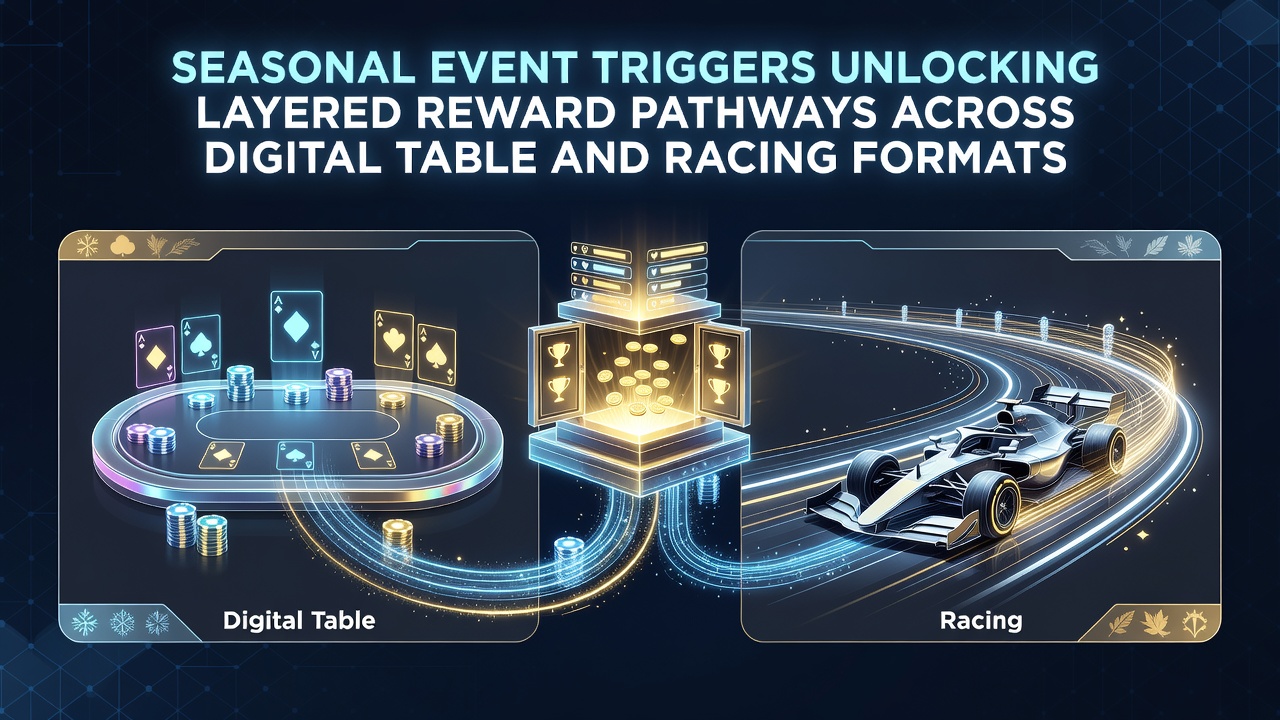
Seasonal events in July 2026 continue to shape how operators structure promotions across digital table games and racing formats, with many platforms introducing multi-stage reward systems that connect initial deposits or free entries to extended play sequences in poker, blackjack, and virtual track betting. These mechanisms typically begin with entry-level incentives such as bonus credits or freeroll access, then progress through completion targets that unlock additional layers including matched wagers, leaderboard points, and cross-format redemptions valid on both table interfaces and racing markets.
Table Game Reward Structures During Peak Periods
Digital table environments have incorporated event-based triggers that link daily login sequences to cumulative play requirements, where participants advance through tiers by completing hands in Texas Hold'em or achieving specific blackjack payout thresholds. Data from industry reports indicates these pathways often require sequential milestones, such as accumulating 500 loyalty points before accessing a secondary tier that includes live dealer credits redeemable during evening tournament windows. Observers note that operators coordinate these layers with major racing calendars, allowing points earned at tables to convert into racing bet credits at predetermined exchange rates.
Integration With Racing Formats
Racing platforms have adopted parallel systems where seasonal festivals open entry to multi-leg accumulator bonuses, starting with single-race free bets that scale to full meeting packages once users meet volume thresholds. Those who've tracked these patterns report that July events frequently align table game milestones with major race days, creating unified accounts where progress in one format directly influences eligibility in the other. Figures from regulatory summaries reveal increased transaction volumes during these windows, particularly in markets where operators offer combined dashboards displaying both card game progress and upcoming track fixtures.
What's interesting is how these layered systems handle crossovers, with some providers allowing players to apply table game winnings toward enhanced racing odds multipliers while others route racing returns into exclusive poker satellite entries. Research from the University of Nevada Reno's gaming studies department shows such interconnections can extend session durations across multiple verticals when users pursue the full reward chain.

Technical Implementation of Event Triggers
Backend systems manage these pathways through timestamped triggers tied to calendar events, automatically adjusting reward availability based on real-time participation data. And while initial tiers remain open to broad user bases, higher layers impose stricter criteria including minimum average bet sizes and consecutive day requirements that filter progression. Operators in regions monitored by the Nevada Gaming Control Board have documented similar frameworks where seasonal adjustments to these parameters coincide with peak attendance periods at physical venues, translating online engagement metrics into targeted offers.
Take one operator who synchronized a July racing festival with table game leaderboards, resulting in unified prize pools that distributed rewards proportionally across both formats according to user contribution percentages. This approach allows the same account to track advancement whether the activity occurs in digital card rooms or simulated track environments, reducing fragmentation between separate verticals.
Regional Variations in Reward Layering
European markets have shown distinct adaptations, with several platforms linking seasonal table promotions to national racing fixtures through shared loyalty currencies. Data compiled by the European Gaming and Betting Association indicates these connections appear most frequently during summer months when overlapping event calendars create natural crossover opportunities. In contrast, North American implementations often emphasize separate but convertible reward streams, where table game points convert at fixed rates for racing bet placement without merging the underlying activity logs.
Academic analysis from Canadian research institutions has examined how these seasonal triggers influence user navigation patterns, finding that participants who complete initial layers demonstrate higher rates of continued engagement across both table and racing sections. The mechanisms rely on progressive unlocking sequences rather than flat bonuses, requiring sustained activity that aligns with the duration of the triggering event itself.
Conclusion
Seasonal events in 2026 continue to drive the development of interconnected reward structures that span digital table games and racing formats through carefully sequenced milestones and conversion options. These systems operate on data-driven parameters that adjust availability according to participation levels and calendar alignment, creating measurable pathways documented across multiple regulatory and academic sources. The result remains a coordinated framework where progress in one vertical can influence opportunities in the other during peak seasonal windows.