Understanding Hierarchical Incentive Models in Modern Digital Wagering Platforms
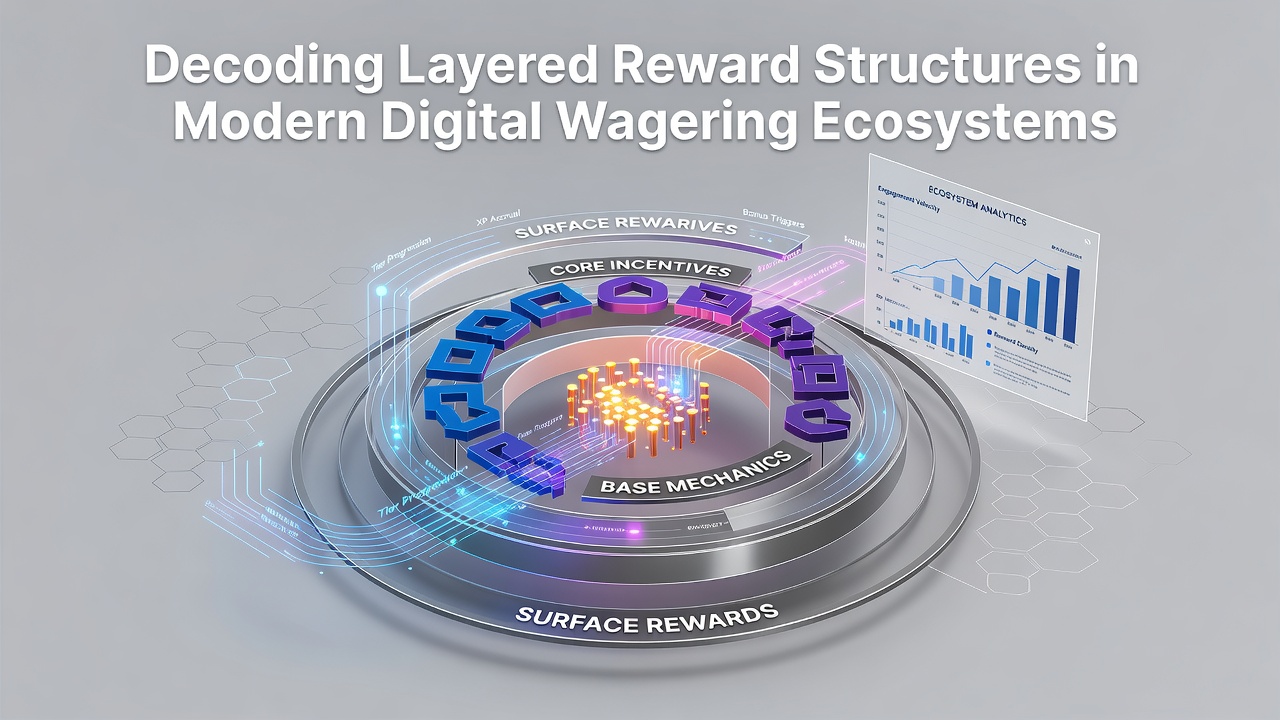
Modern digital wagering platforms organize player incentives through structured hierarchies that combine initial access rewards with ongoing engagement mechanisms, and these systems often integrate multiple layers to sustain participation across slots, table games, and sports markets. Observers note that such models emerged from competitive pressures in the online sector where operators seek to differentiate offerings while managing risk exposure through controlled payout structures.
Core Components of Layered Reward Systems
Digital platforms typically begin with entry-level incentives such as deposit matches or free credits that transition into loyalty accumulation phases, and these phases feed into tiered status programs where higher levels unlock accelerated point multipliers along with exclusive event access. Data from industry analyses show that operators in North America and Europe deploy algorithms to adjust reward thresholds based on player activity patterns, creating dynamic adjustments that respond to volume and frequency metrics.
Researchers at academic institutions have documented how these hierarchies connect short-term bonuses to longer-term retention tools, whereas a single campaign might link initial free credits to progressive challenges that award additional spins or bet credits upon completion. In July 2026 several regulatory filings from Australian state agencies highlighted the prevalence of such combined structures, noting that operators must disclose escalation rules to maintain compliance across jurisdictions.
Mechanics Behind Multi-Tier Progression
Progression mechanics rely on point accrual rates that vary by game category, and sports wagering often carries different multipliers compared with casino verticals to balance operator margins across product lines. Those who examine platform terms find that intermediate tiers frequently require minimum activity thresholds within defined periods, after which users gain access to personalized offers generated through behavioral segmentation models.
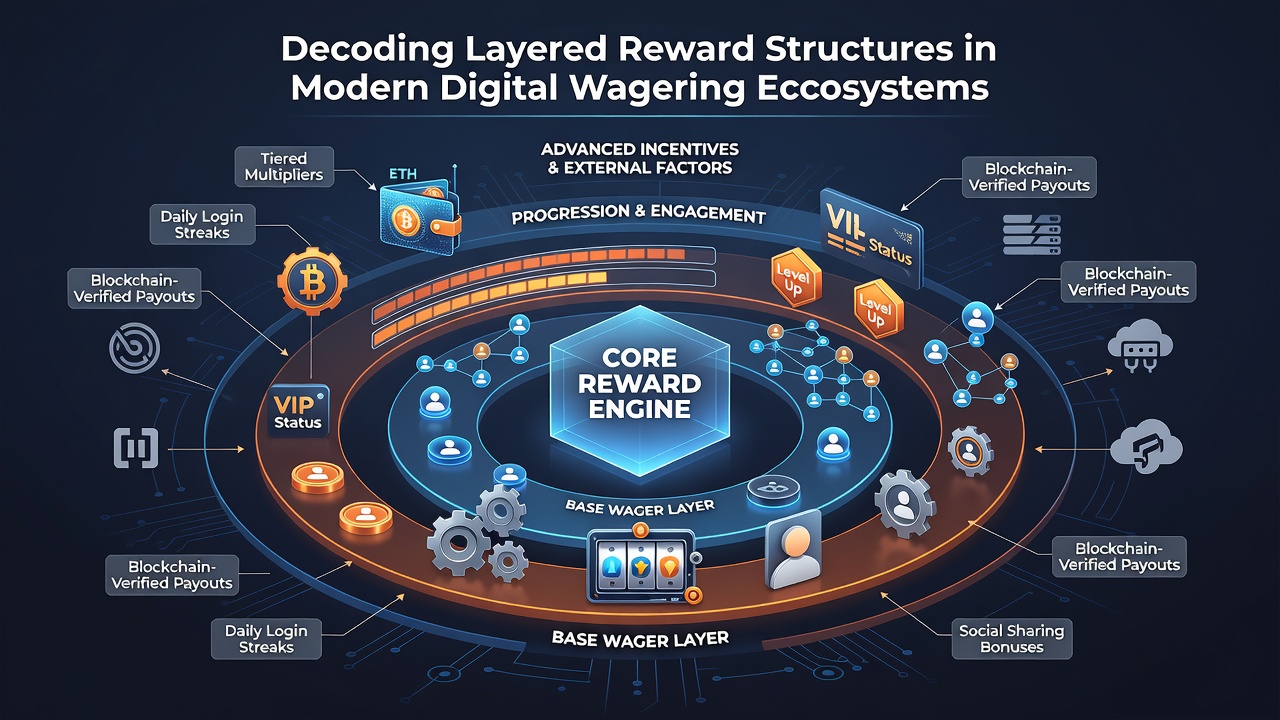
One documented approach involves cascading conditions where completion of a deposit-related task automatically enrolls participants in a secondary freeroll sequence, and this sequence then routes accumulated value into a VIP track with cashback percentages that scale upward. Figures from Canadian provincial gaming reports indicate that such cascades appear in over sixty percent of major operator promotions during peak summer periods, reflecting coordinated scheduling with major sporting calendars.
Regional Variations and Regulatory Context
European operators tend to emphasize transparency requirements around wager contributions from different game types, while North American platforms focus more on integration with state-specific tax reporting frameworks. A study published by the University of Nevada Reno examined how layered systems influence session duration across user cohorts, and the findings revealed measurable differences in engagement curves when multiple reward layers activate simultaneously versus sequentially.
Trade associations such as the European Gaming and Betting Association have compiled data showing that hybrid structures linking casino bonuses to sportsbook credits now represent a growing share of promotional spend, and these combinations allow operators to distribute risk across verticals. Observers tracking global trends point to increased use of conditional unlock mechanics that tie reward release to verified identity steps or responsible gambling tool interactions.
Technical Implementation and Data Integration
Backend systems track reward eligibility through centralized player accounts that aggregate activity across mobile and desktop channels, and real-time APIs adjust available incentives based on current balance states or recent transaction history. This integration enables platforms to present unified dashboards where users view progress toward the next tier alongside pending reward expirations.
Industry reports from the Asia-Pacific region note that operators increasingly incorporate gamification elements such as progress bars and milestone notifications to guide users through the hierarchy, and these visual cues correlate with higher completion rates according to aggregated platform metrics. External links to regulatory guidance from bodies like the Australian gambling authorities provide further context on disclosure standards applied to these layered offerings.
Conclusion
Hierarchical reward structures continue to evolve as operators refine segmentation capabilities and regulatory environments impose clearer disclosure rules across markets. Data indicates that effective implementation depends on balancing accessibility at lower tiers with meaningful differentiation at higher levels, while technical infrastructure supports seamless transitions between reward types. Those monitoring developments note ongoing experimentation with conditional triggers and cross-vertical linkages that respond to player behavior signals without exceeding jurisdictional limits.